Animals & Plants
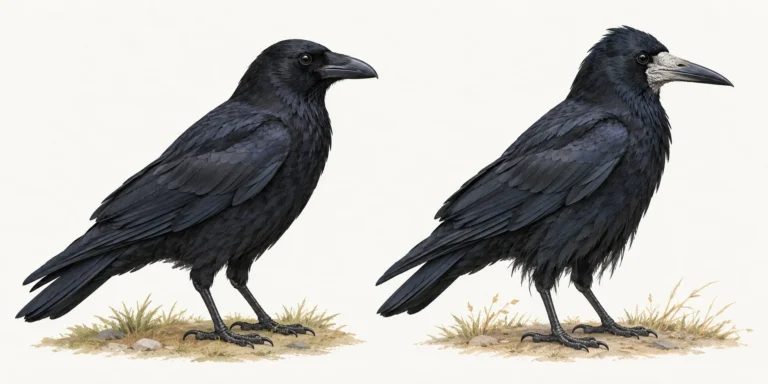
Crow vs rook: what’s the difference?
An adult rook has a pale bare patch around the base of its slimmer bill; a carrion crow has an all-black face and a heavier black bill. Young rooks and…
Explore & compare
Explore comparisons about Animals & Plants, with explanations of important differences, practical examples and sources.
An adult rook has a pale bare patch around the base of its slimmer bill; a carrion crow has an all-black face and a heavier black bill. Young rooks and…
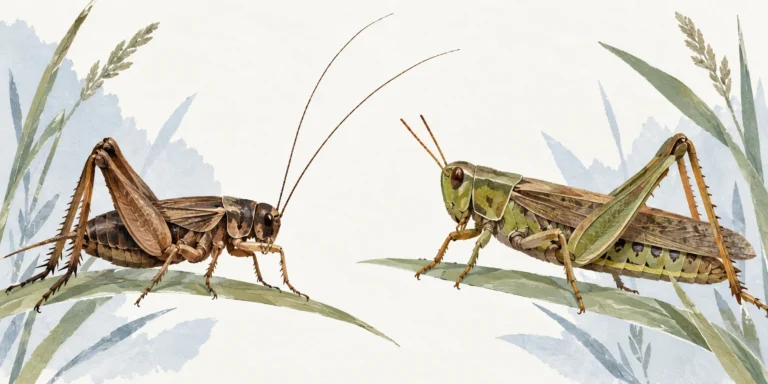
Crickets, including British bush-crickets, tend to have long antennae; grasshoppers have shorter antennae. Both jump, and colour alone is an unreliable guide.
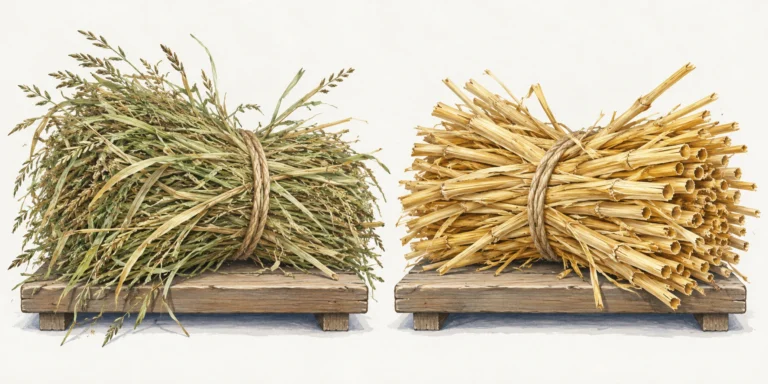
Hay is dried grass or other forage plants kept mainly as animal feed. Straw is the stalk material left from harvested cereals, often used for bedding, although it can also…
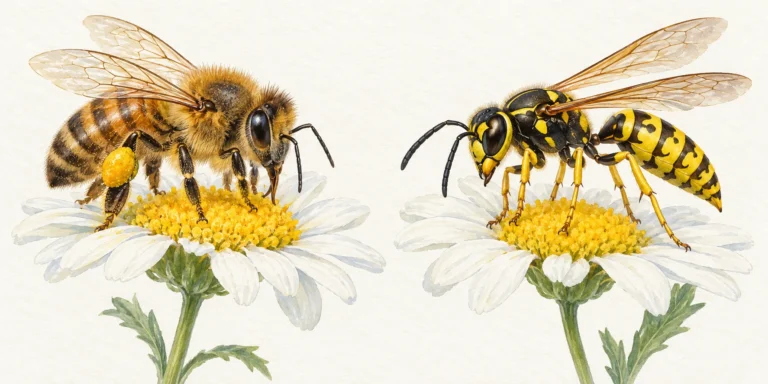
Familiar bees are usually hairier and collect pollen for their young; common social wasps are sleeker and feed their larvae mainly on other insects. Colour alone is not enough.
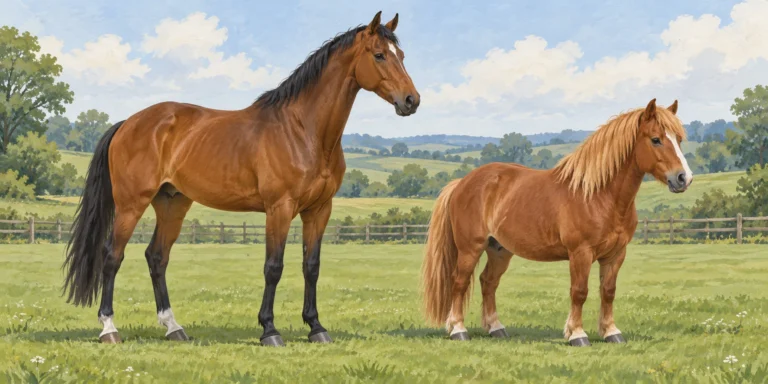
A pony is not a baby horse. In common British usage, adult ponies stand 14.2 hands high or under; horses stand above that, with separate rules for some competitions.
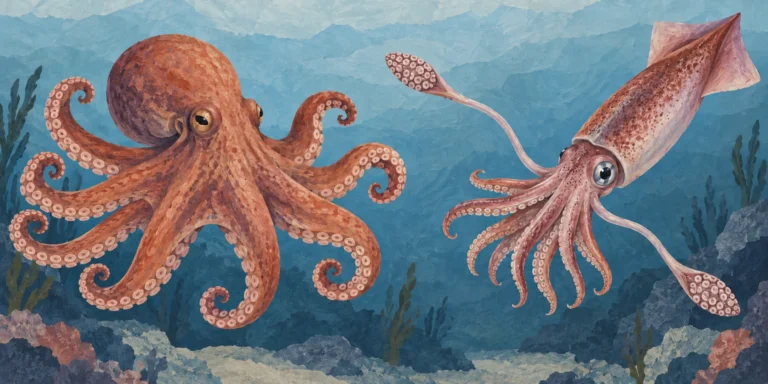
An octopus typically has eight arms; a squid usually has eight arms plus two feeding tentacles. The suckers, body outline and fins provide further clues.
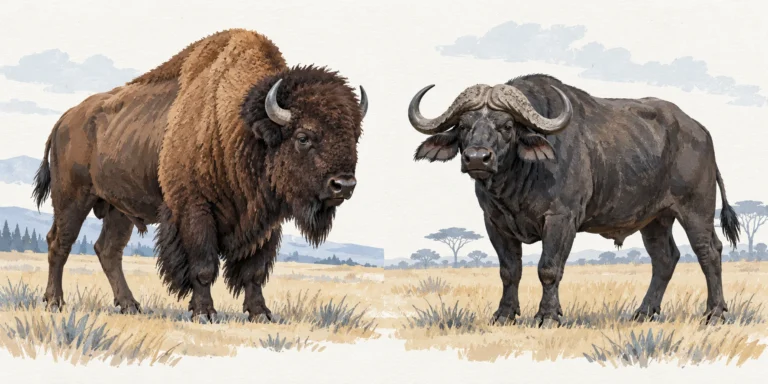
Bison and true buffalo are different animals, but buffalo is also a familiar North American name for the American bison. Shape and context resolve the confusion.
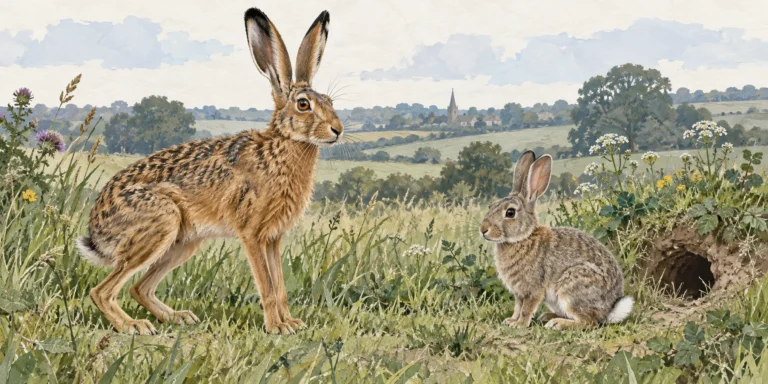
A brown hare is usually larger and longer-legged than a wild rabbit, with longer black-tipped ears. Their shelters and newborn young also differ.
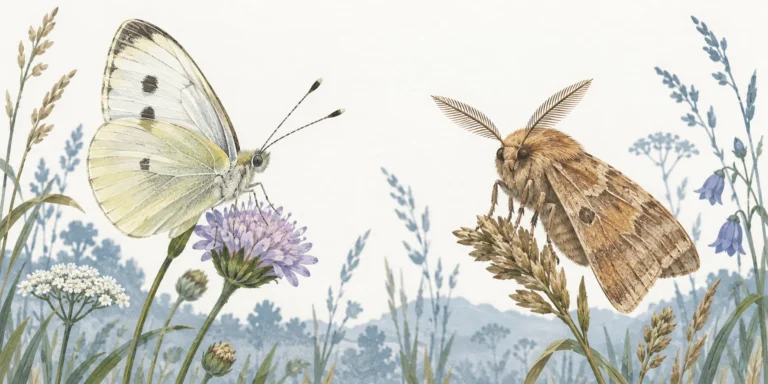
Butterflies usually have clubbed antennae; moth antennae are more varied. Colour, daylight and resting wings offer clues, but each has exceptions.
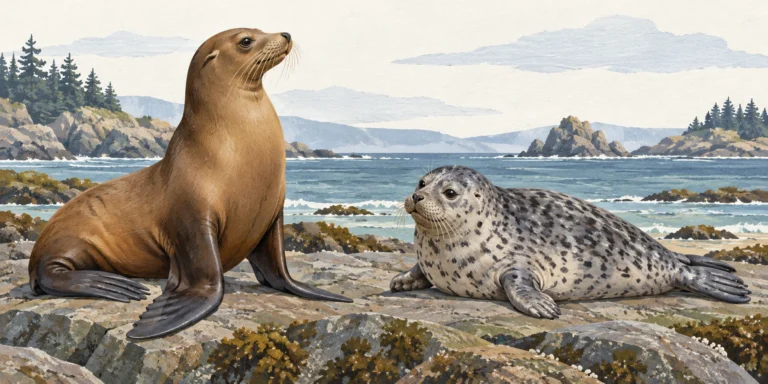
Sea lions have visible ear flaps and long front flippers, and can walk on all four flippers. True seals lack ear flaps and move on their bellies on land.