Beauty & Fashion
Eau de toilette vs parfum: what’s the difference?
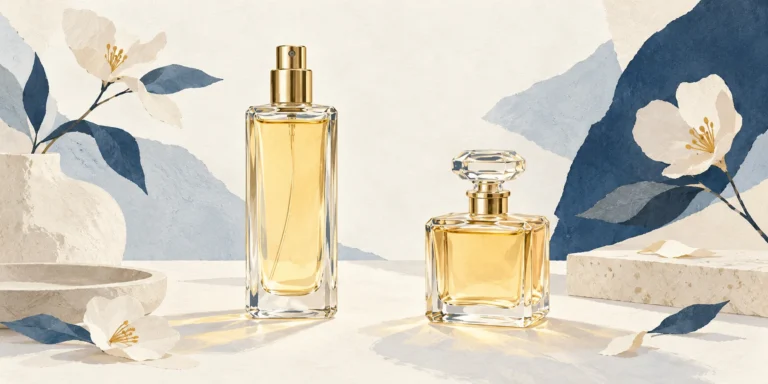
Eau de toilette is generally a lighter fragrance expression; parfum names a more concentrated one. Compare the actual version as well as the label: a shared line name does not…
Explore & compare
Explore comparisons about Beauty & Fashion, with explanations of important differences, practical examples and sources.
Eau de toilette is generally a lighter fragrance expression; parfum names a more concentrated one. Compare the actual version as well as the label: a shared line name does not…
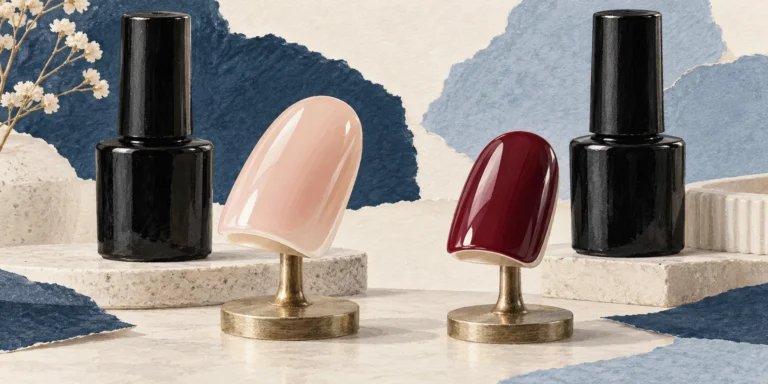
BIAB is a branded builder-gel system used to add structure. An ordinary gel-polish manicure mainly adds colour. Builder gel and colour gel can be used together.

A jacket is usually a shorter upper-body garment; coat is a broader outerwear term that includes long and short styles. Length is a useful clue, but neither word guarantees warmth…

A tuxedo is formal evening tailoring with contrasting lapel facings and matching dress trousers. In the UK it is the conventional choice for black tie.
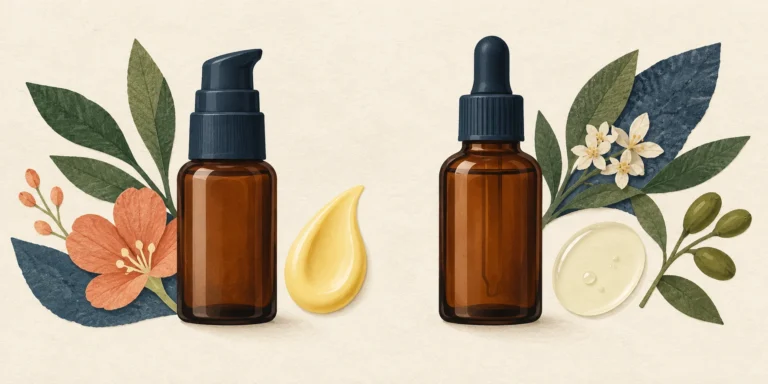
Retinal and retinol are different retinoids: retinal is one conversion step closer to retinoic acid. Compare ingredient names, percentages and real UK formula examples.
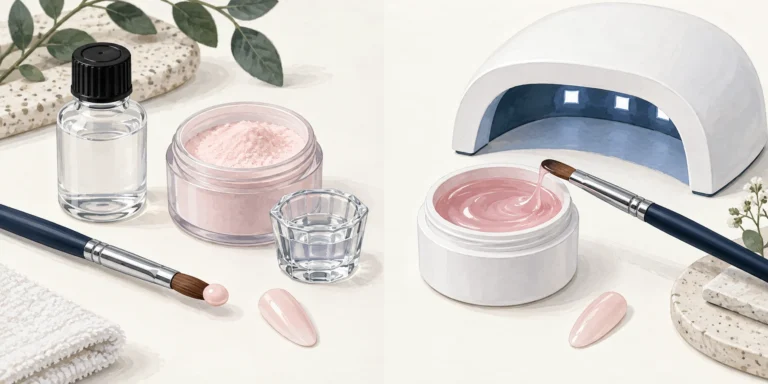
Conventional acrylic combines liquid and powder; builder gel is pre-mixed and cured in a compatible lamp. Gel polish is a separate colour-coating service.
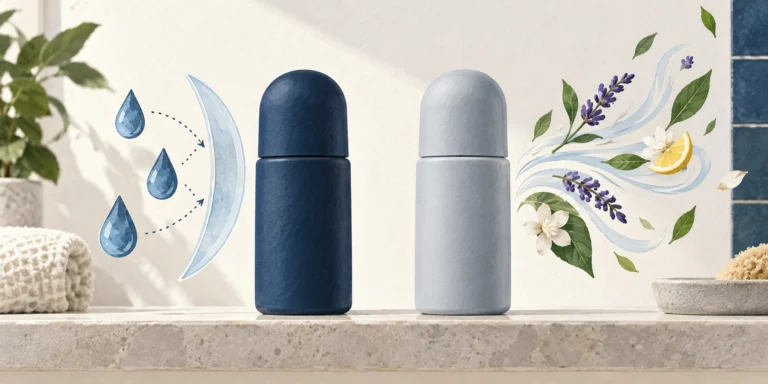
Antiperspirant reduces sweat reaching the skin; deodorant controls odour. Learn how combined products and packaging claims affect the choice.
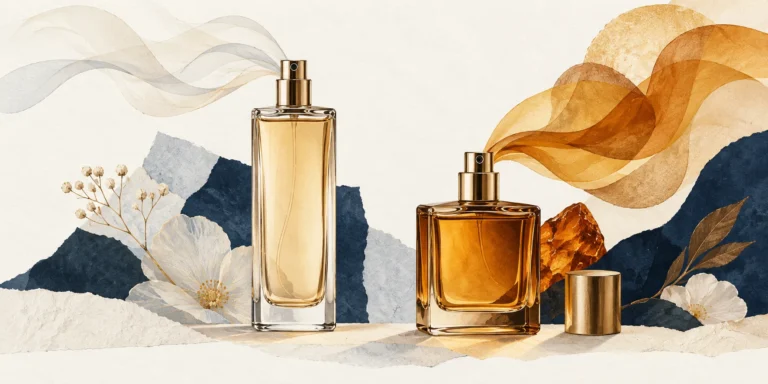
Parfum generally signals a more concentrated fragrance than eau de parfum. The formula and notes can also change, so compare the exact version rather than expecting a fixed wear time.
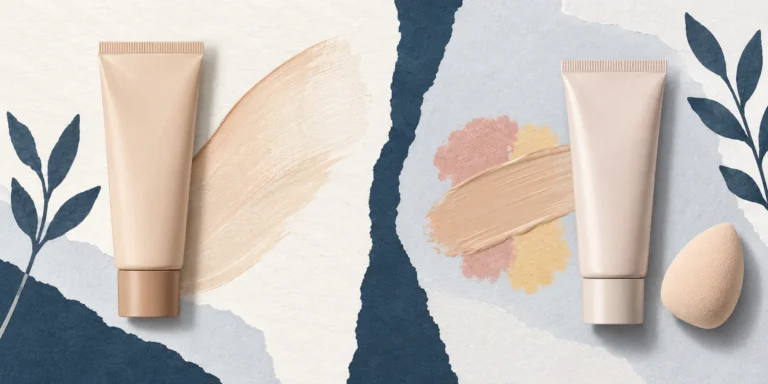
BB usually suggests tinted skincare and lighter coverage; CC emphasises colour correction. Compare the actual formula, shade and finish before choosing.
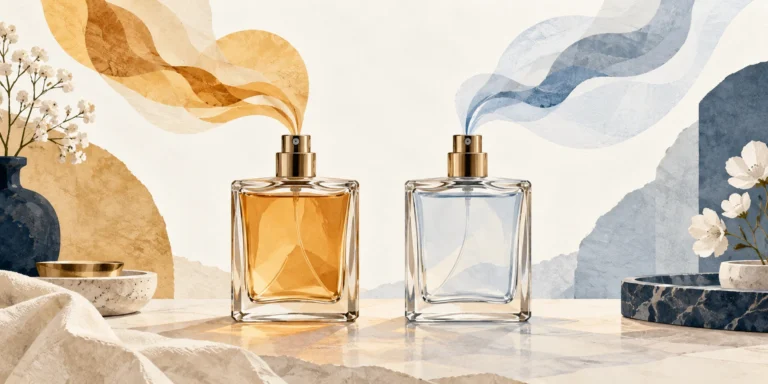
EDP generally has a higher fragrance concentration than EDT. Learn what that means, why a label is not a wear-time guarantee, and how to compare the exact bottles.