Science & Nature
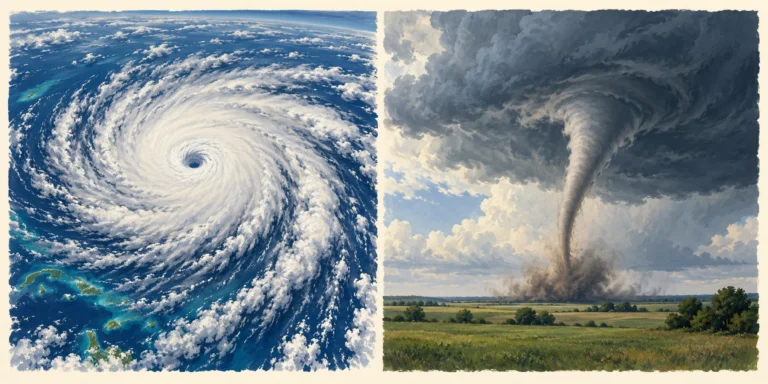
Hurricane vs tornado: what’s the difference?
A hurricane is a large tropical cyclone that develops over warm seas; a tornado is a much smaller rotating column of air connecting a storm cloud to the ground.
Explore & compare
Explore comparisons about Science & Nature, with explanations of important differences, practical examples and sources.
A hurricane is a large tropical cyclone that develops over warm seas; a tornado is a much smaller rotating column of air connecting a storm cloud to the ground.
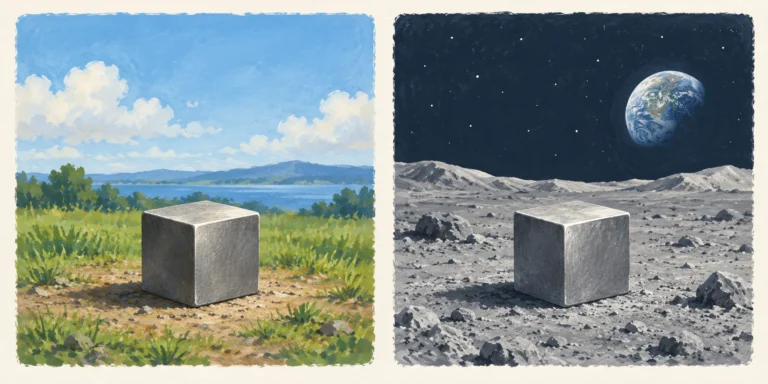
Mass is measured in kilograms; weight is a gravitational force measured in newtons. A 10 kg object keeps its mass on the Moon but has a much smaller weight.

Fog and mist both contain tiny water droplets suspended near the ground. In the general meteorological distinction, fog reduces visibility below 1,000 metres; mist is less obscuring.
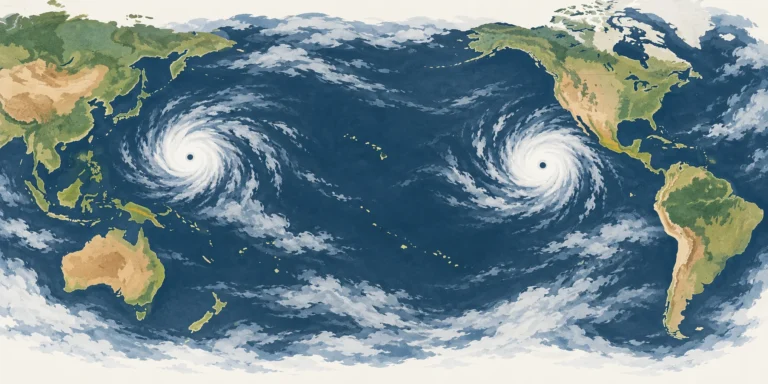
Hurricanes and typhoons are the same kind of tropical cyclone. The regional name changes: hurricane in the Atlantic and central/eastern North Pacific, typhoon in the north-west Pacific.

Mitosis normally preserves chromosome number through one division. Meiosis uses two divisions to halve it, producing genetically varied haploid products in a simplified model.

An ocean is the global connected seawater body or one of its major named regions. A sea is usually a smaller region partly enclosed by land, with exceptions.
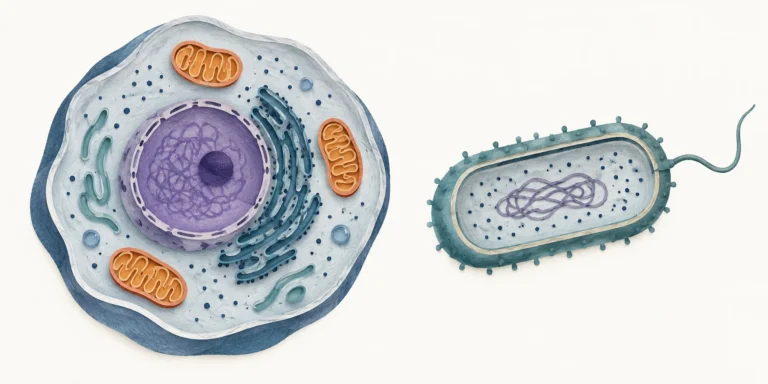
Typical eukaryotic cells enclose DNA in a nucleus and have membrane-bound organelles. Prokaryotic cells have no nucleus; their DNA occupies a nucleoid region.