Food & Drink
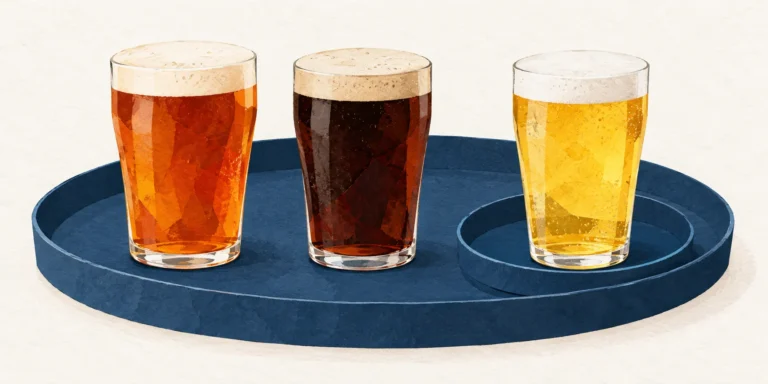
Beer vs lager: what’s the difference?
Lager is a type of beer. The useful comparison is usually lager versus ale: different fermentation traditions, rather than beer versus a separate drink.
Explore & compare
Explore comparisons about Food & Drink, with explanations of important differences, practical examples and sources.
Lager is a type of beer. The useful comparison is usually lager versus ale: different fermentation traditions, rather than beer versus a separate drink.
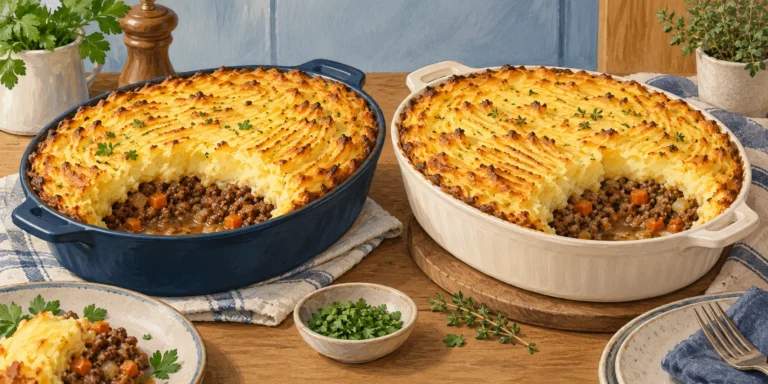
The usual modern British distinction is beef in cottage pie and lamb in shepherd’s pie. Both commonly have a savoury filling under mashed potato, so appearance alone is unreliable.
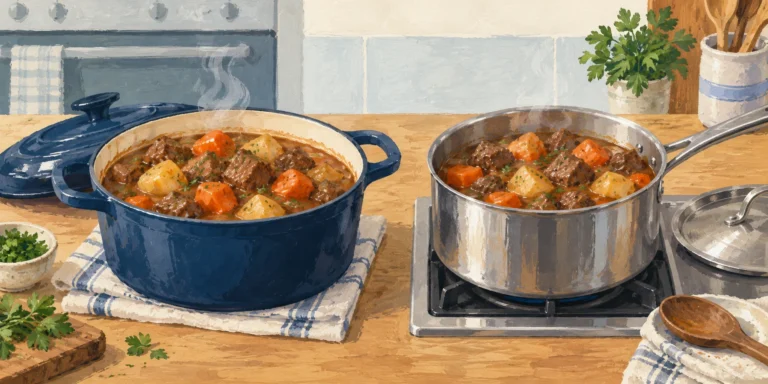
In British cooking, casserole can name a lidded vessel or the food cooked in it. Stew names food cooked slowly in a little liquid; the terms often overlap.

Both are fizzy water. In the UK, soda water commonly means a mixer with added mineral salts, while sparkling mineral water has minerals from its source.

Brown and white hen eggs differ in shell pigment. Shell colour alone does not tell you nutrition, farming method or whether paying more is worthwhile.

In Chinese cooking, dark soy sauce mainly adds deep colour and light soy sauce mainly seasons. “Light” is a style name, not a promise of reduced salt.
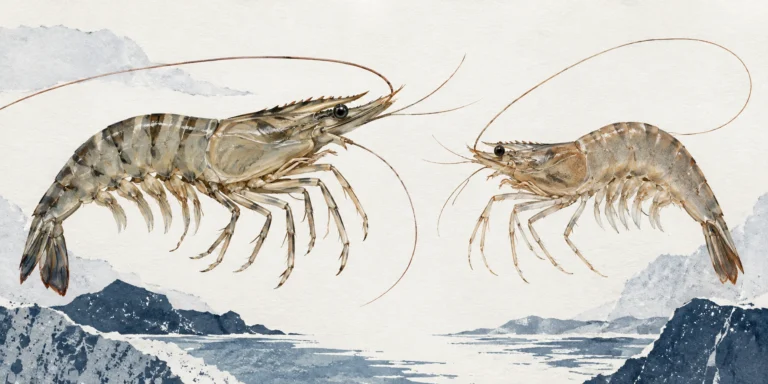
Prawn and shrimp overlap as food names. Biological differences concern anatomy, while a packet’s species, size and raw or cooked state matter more in a recipe.
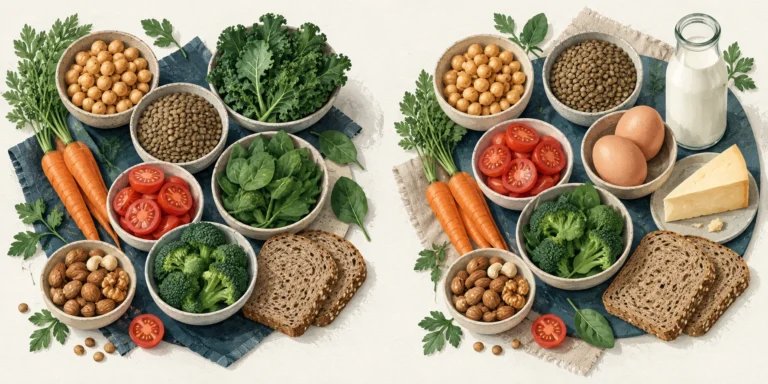
Vegetarian food excludes meat and fish but may include eggs and dairy. Vegan food excludes animal-derived ingredients. Vegan labels are not allergy guarantees.

Gelato is an Italian style of ice cream, typically denser and often made with more milk and less cream. Recipes, air content and serving temperatures vary.

A cappuccino emphasises a deeper layer of milk foam; a latte has more of a silky steamed-milk character with a lighter foam layer. Both start with espresso.