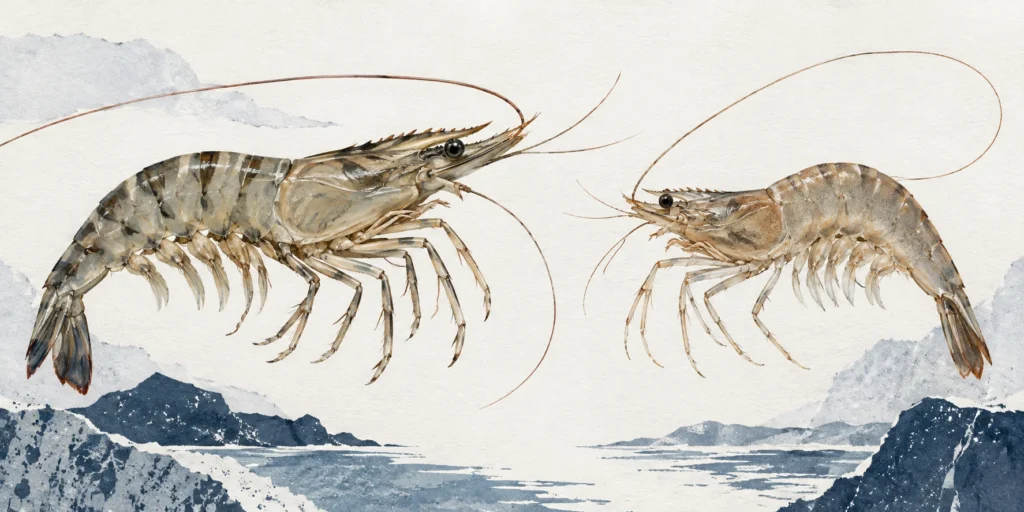
Prawn and shrimp overlap as food names. Biological differences concern anatomy, while a packet’s species, size and raw or cooked state matter more in a recipe.
“Prawn” and “shrimp” often overlap as food names, so the word on a menu does not reliably identify a different animal or a fixed size. Biologically, caridean shrimps and dendrobranchiate prawns differ in details such as claws and abdominal segments. Keep the naming question separate from the anatomy. [1][2]
For a British shopper, a useful comparison has two layers: what the label calls the seafood, and which species and product you are actually buying. A familiar food name does not always follow a zoological boundary. [1][2][3]
Prawn and shrimp compared
Names on food versus the scoped biological comparison
A concrete example is Pandalus borealis: northern prawn and northern shrimp are both names used for it, and it is sold in the UK. Changing the common name has not changed the species. [3]
Warm-water products provide another useful reference. White-leg prawn (Litopenaeus vannamei) and tiger prawn (Penaeus monodon) are commercially important penaeids. The terms prawn and shrimp are used interchangeably in this trade context too. A name alone therefore cannot support a promise about flavour, quality or exact dimensions. [2]
The biological clues need an intact animal
For the two anatomical groups in the table, count the claw-bearing pairs of walking legs: three in dendrobranchiate prawns and two in caridean shrimps. Alternatively, look closely at the second abdominal segment. In caridean shrimps, it overlaps the segment in front as well as the one behind. [1]
These are small structural details. A peeled tail in a cooked dish may not retain enough information to inspect them. Do not turn an anatomical guide into a confident species identification from a pink curl on a plate.
A useful buying and recipe check
Identity: read the species or more specific product description where supplied.
Form: compare raw with raw or cooked with cooked; note shell-on versus peeled.
Quantity: compare like-for-like usable weight and the size or count needed by the recipe.
The broad name cannot answer all three questions. [1][2][3]
A worked portion example
Suppose two hypothetical peeled, cooked packs each contain 200 g drained seafood. One has ten pieces and the other twenty. Shared equally between two people, either pack gives 100 g per person, but that means five pieces from the first pack or ten from the second.
If you need a particular number of pieces for skewers or presentation, the count changes the plan even when the total weight is identical. These are invented pack figures for the arithmetic, not measurements of real products, nutrition advice or proof that one species is better. Check the actual product’s size and preparation state before substituting.
Try three label decisions
1. A product says “prawn”: does that prove it is biologically dendrobranchiate?
No. Common food names overlap. The scientific species and intact anatomy are more precise identifiers. [1][2][3]
2. Northern prawn and northern shrimp both say Pandalus borealis?
The species names match. Compare the rest of the product description instead of treating the common words as different species. [3]
3. Do twenty pieces in a 200 g pack give twice the seafood of ten pieces in another 200 g pack?
No. Both hypothetical packs contain 200 g; the pieces differ in average size. Two equal portions are 100 g each from either pack.
Frequently asked questions
Are prawns always larger than shrimps?
No universal size cut-off makes the common names reliable biological categories. Read the actual size description, count or weight. [1][2]
Can I always substitute them without changing the recipe?
The name alone is not enough. Match the actual product’s size, usable quantity and raw or cooked state to what the recipe requires; a common-name swap does not settle those practical differences.
Sources
Sources checked on 12 October 2026. Worked examples and exercises were written for this article.
AI tools assisted with drafting and the featured editorial illustration. The illustration is not a photograph, measurement or test result. Claims were checked against the linked sources; no independent human expert review is claimed.
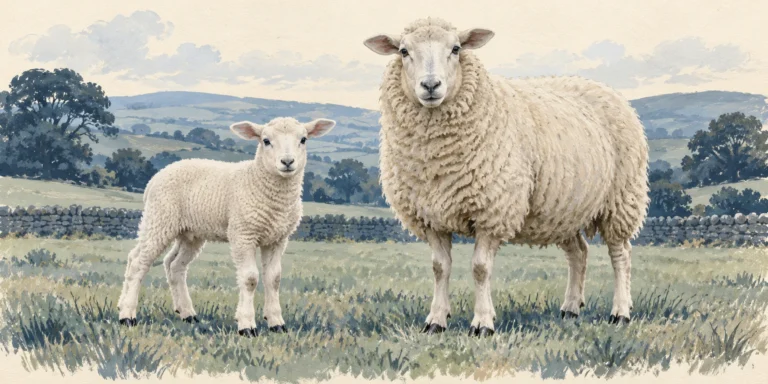
Lamb and mutton are sheep meat from different age groups. Mutton comes from older sheep and has a fuller flavour; the cut, provenance and cooking method matter alongside age.
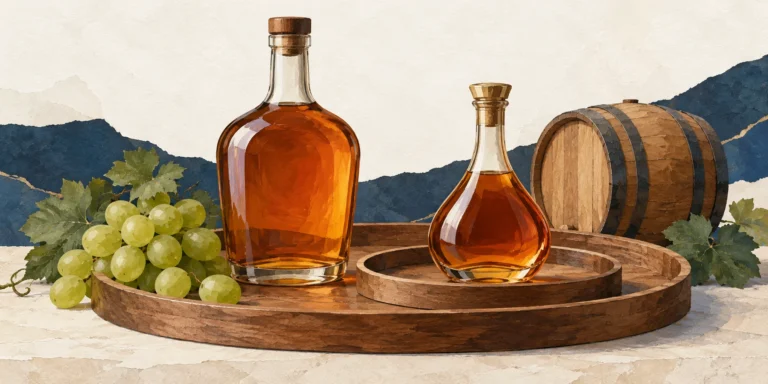
Cognac is a specific member of the broader brandy family, defined by its French origin and production requirements. The word brandy alone does not establish Cognac origin or age.
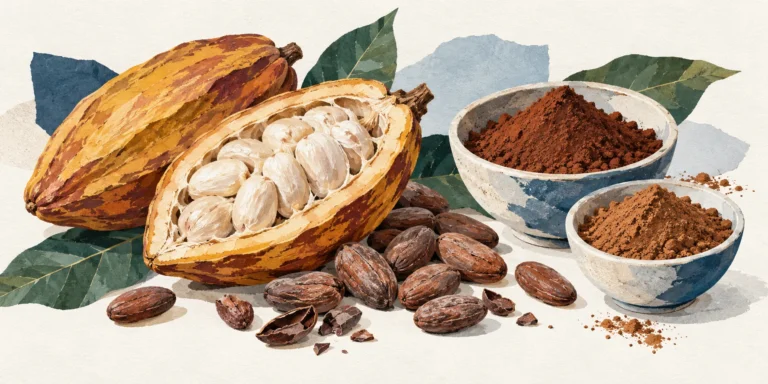
Cacao and cocoa come from the same plant, and the names overlap. For cooking, the useful distinction is the actual product: nibs or powder, and natural or alkalised cocoa.