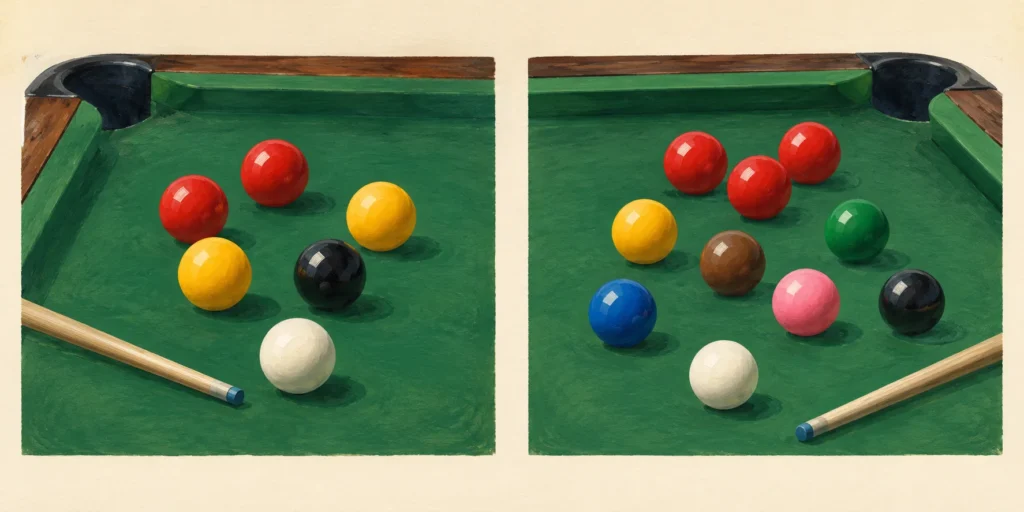
Blackball pool clears an assigned group and then the black; snooker builds a points score through reds and colours. Pool has several rule sets, so agree the version first.
In blackball pool, you clear your assigned group of balls and then legally pot the black to win. In snooker, you score points by potting reds and colours in a set sequence. Pool is a family of games; the detailed pool comparison here uses blackball, rather than treating every pool rule set as identical. [1][2]
The legal finishing ball after your group is cleared. [1]
Worth seven points; potting it does not by itself guarantee victory. [2]
Shared equipment idea
A cue strikes the cue ball to send object balls towards pockets. [1]
The same basic cue-ball and pocket principle applies. [2]
The sequence changes how you plan a shot
Blackball gives each player a group to work through. If you have reds, the yellow balls are not a separate points ladder to collect. The rule set also allows groups distinguished by numbered solids and stripes, so the ball pattern is not the whole definition. [1]
In snooker, a red scores one. The colours score yellow 2, green 3, brown 4, blue 5, pink 6 and black 7. During ordinary red–colour play, a potted colour returns to its spot. After the final red and its following colour, the colours are cleared in ascending value order. [2]
Snooker’s normal potting sequence
While reds remain: red → chosen colour → red → chosen colour.
After the last red: one chosen colour, then the final colour sequence.
Colour clearance: yellow → green → brown → blue → pink → black.
Colours are respotted during red–colour play; in the normal final clearance they stay off. [2]
Worked example: four pots, 14 points
Imagine a legal snooker break of red, black, red, blue, with more reds still on the table. The score is 1 + 7 + 1 + 5 = 14 points. Two reds have gone; the black and blue are respotted. Four pots have therefore removed only two object balls permanently in this example. [2]
Compare a blackball situation where your group is reds and two reds remain. Your ordinary route is those two reds and then a legal black. Thinking “black is worth seven” would import the wrong scoring system. [1]
Agree the game before the first shot
Ask which pool rules are being used before discussing fouls or winning conditions. Blackball, other eight-ball versions and nine-ball are not interchangeable. Even table size is not a reliable name test: home tables can be sold for both pool and snooker, including a six-foot example. Smaller domestic equipment does not rewrite the standard snooker ball set. [1][2][3]
Try the next-shot decisions
I pot a snooker black after a red: have I won?
Not automatically. That black scores seven points and is respotted in red–colour play. The frame is decided by its score or an applicable ending such as concession, rather than every black pot being a win. [2]
I have two red pool balls left: should I switch to yellow for points?
In this blackball comparison your aim is to clear your assigned reds, then legally pot the black. Snooker’s colour point values do not apply. [1]
A table is six feet long: does that prove it is pool?
No. A real home table is offered for both snooker and pool. Confirm the ball set and agreed rules, rather than identifying the game from size alone. [3]
Frequently asked questions
Can a player be “snookered” in pool?
Yes. Blackball also uses the term for a blocked direct path to a legal target. The word can describe a position as well as naming the separate sport. [1]
Is this a complete foul-rule guide?
No. It explains the main contrast. Use the agreed rulebook for free shots, fouls and exceptional positions. [1][2]
Sources
Source pages checked on 20 October 2026. The examples and self-checks were written for this article with AI assistance and checked against the listed material.
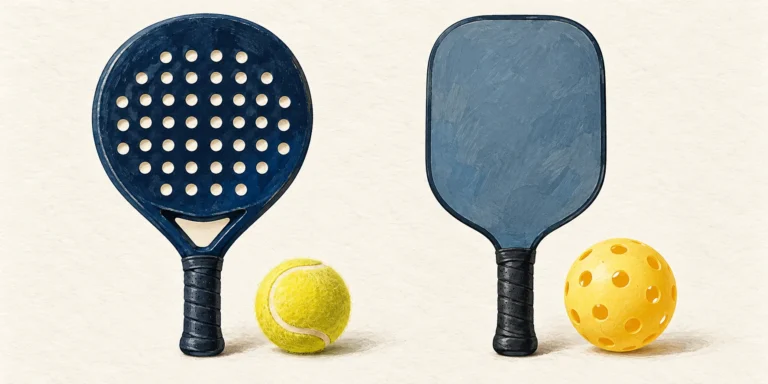
Padel uses an enclosed court with playable wall rebounds and a tennis-like ball. Pickleball uses an open court, a perforated plastic ball and a non-volley kitchen near the net.
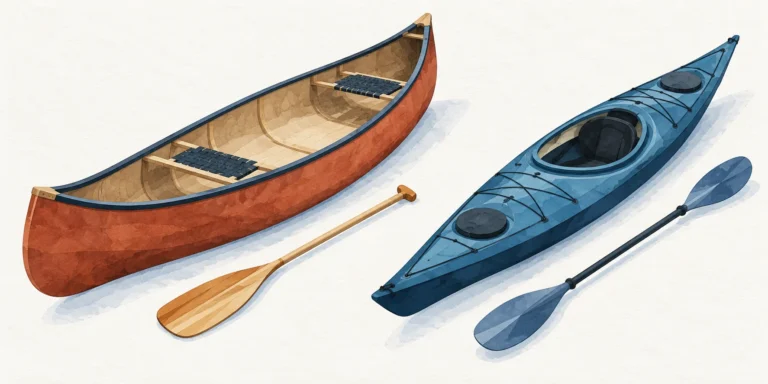
A canoe usually uses a single-bladed paddle and a kayak a double-bladed one. Sitting position and discipline help too: open tops and numbers of seats are unreliable shortcuts.