In ordinary British shop use, gammon is cured pork sold uncooked; ham is sold ready to eat. Not every ready-to-eat ham is cooked, so read the actual label.
In ordinary British shop use, gammon is cured pork sold uncooked and needing cooking; ham is sold ready to eat. Both can come from the pig’s hind leg. Cooking a gammon joint turns it into ham in everyday language, but not every ready-to-eat ham is cooked: some hams are dry-cured. [1][2]
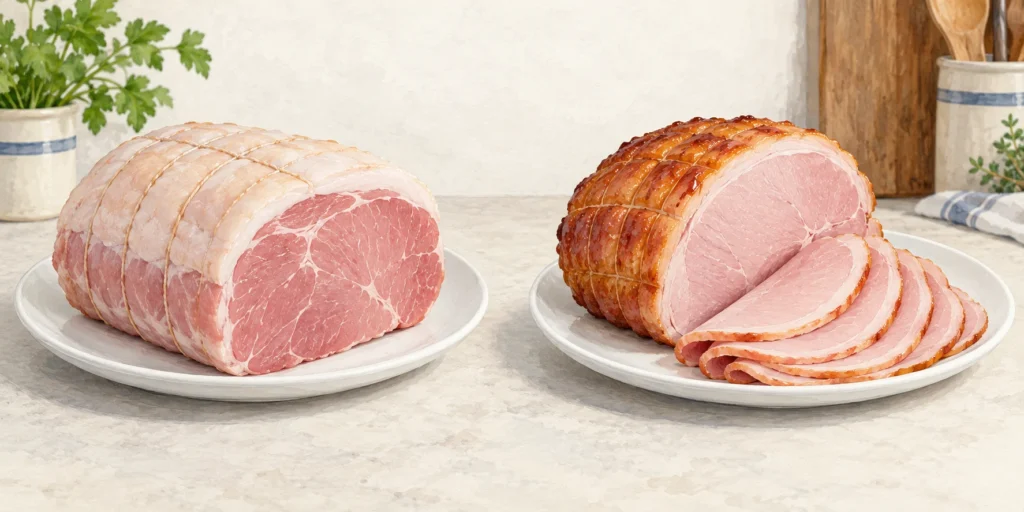
The useful distinction is the product’s preparation and readiness, rather than two different animals or an automatic quality ranking. Here, the starting comparison is an uncooked gammon joint or steak versus ham sold for eating straight away.
Available smoked or unsmoked; that does not remove the cooking step. [1]
Read the actual preparation description; smoked and cooked describe different processes. [1][2]
Immediate use
Not an uncooked substitute for sandwich ham. [1][2]
A product labelled ready to eat suits a no-cooking use. [1][2]
What happens after cooking?
A cooked joint becomes ham in ordinary terminology. [1][2]
Cooked ham has already reached that preparation stage. [2]
Shared practical check
Follow the instructions for that joint or steak. [3]
Check whether the product is ready to eat and any instructions for its intended use. [1][3]
Curing, smoking and cooking are different questions
Gammon is cured, usually by dry-salting or brining, and can also be smoked. Cured does not mean cooked: the gammon in this retail comparison still requires cooking. A smoked label tells you about that treatment, not that an uncooked joint is ready for your sandwich. [1]
The word ham is broader than “boiled gammon”. Ready-to-eat dry-cured hams are part of the category too. That is why “gammon is raw, ham is always cooked” is an incomplete shortcut. The more dependable question is whether the particular product is sold ready to eat. [1][2]
A worked shopping example
Suppose you need sandwiches for lunch now and a joint for a cooked meal at the weekend. A pack described as cooked sliced ham, ready to eat fits the first task. A joint described as uncooked gammon belongs with the second task and its cooking instructions. Their shared pork origin does not make them interchangeable at the point of serving. [1][2]
If you buy gammon intending to use the cooked joint as ham, allow for the actual cooking and preparation steps. Do not lift a timing from a different joint just because the names match: the packet, joint and cooking method matter. The general distinction answers what you have bought; it does not calculate a cooking time. [3]
Read the label in three separate steps
Product: is this a gammon joint, gammon steak, cooked ham or a dry-cured ham?
Readiness: does it say uncooked, needs cooking or ready to eat?
Instructions: follow the directions for that actual product and appliance.
The illustration represents two products; its pink colour and browned surface are not a doneness test. [1][2][3]
Try the terminology checks
Does “smoked gammon” mean it is already cooked?
No. Gammon is available smoked or unsmoked and is ordinarily sold needing cooking. Smoking is not a replacement for checking readiness and instructions. [1]
Can I swap an uncooked gammon joint straight into sandwiches instead of cooked ham?
No. That skips the required cooking stage. Choose a product explicitly ready to eat for a no-cooking sandwich use. [1][2]
Must every ham have been cooked?
No. Ready-to-eat ham can be cooked or appropriately cured. Dry-cured hams are the exception that the simple “ham equals cooked” shortcut misses. [1][2]
Frequently asked questions
Why does a restaurant still call the cooked dish gammon steak?
Gammon steak is an established dish name. The retail distinction concerns the uncooked product before preparation; it does not mean a cooked steak on a menu has been served raw. [1]
Sources
Source pages checked on 22 October 2026. The examples and self-checks were written for this article with AI assistance and checked against the listed material.
Baking soda and bicarbonate of soda are two names for the same cooking ingredient: sodium bicarbonate. Baking powder is a different mixture, so that is not the same name-only swap.
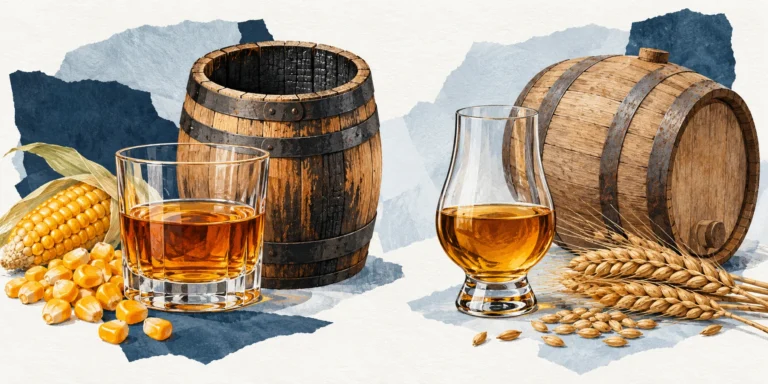
Bourbon is a type of American whiskey, made with at least 51% corn and stored in new charred oak. Whiskey is the wider family, whose named styles follow different rules.
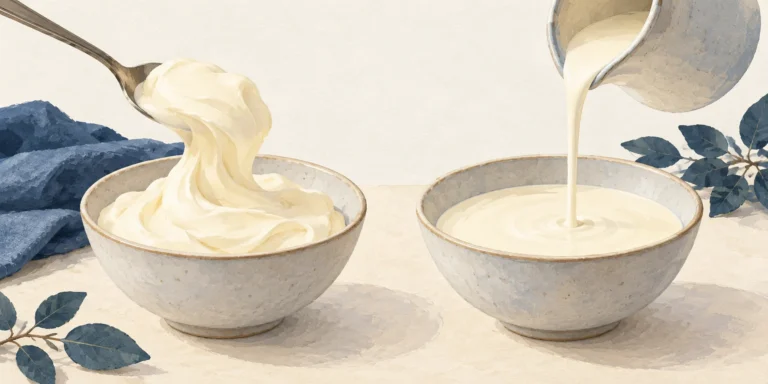
British double cream is typically around 48% fat and can be whipped; single cream is around 18% and is used for pouring or enriching dishes. They are not interchangeable in…