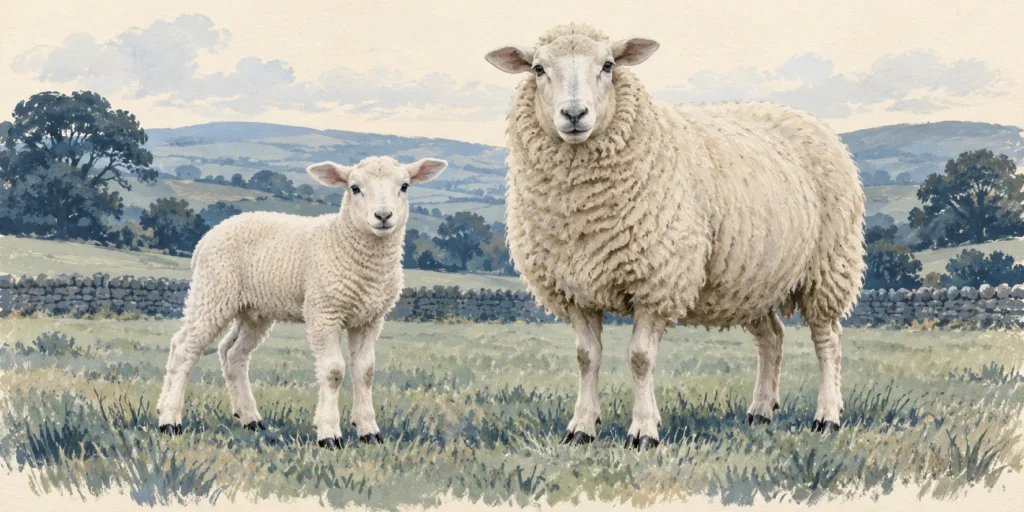
Lamb and mutton are sheep meat from different age groups. Mutton comes from older sheep and has a fuller flavour; the cut, provenance and cooking method matter alongside age.
Lamb and mutton are both sheep meat. The main difference is age: lamb is from younger animals, while mutton comes from older sheep and has a fuller, more developed flavour. In UK producer guidance, mutton is associated with sheep over two years old. The cut and cooking method matter too: neither name tells you how to cook every piece. [1][2]
New-season and old-season lamb are distinguished in the trade. [3]
Over two years is the benchmark in the UK producer guidance used here. [2]
Flavour
Younger-age character; breed and rearing also make a difference. [1]
Typically richer, more developed sheep flavour. [1]
Cuts
Chops, leg and shoulder are different cooking choices. [1]
The cut still matters; mutton is not a single uniform joint. [1][4]
Shared cooking possibility
Lamb shoulder can be used in a slow-cooked shoulder recipe. [4]
Mutton shoulder suits that same kind of recipe. [4]
Question at the counter
Which cut, what age and where was it produced?
The same questions, plus a suitable recipe for that particular cut. [1]
Why the age answer needs a little context
The useful first distinction is younger versus mature sheep, rather than two species. Mutton is often from ewes that have finished breeding, but “mutton” is not simply another word for female sheep. The flavour also reflects breed, rearing and the particular cut. [1]
The over-two-year benchmark gives a concrete UK reference for mutton. It should not be expanded into a claim that every country, shop or reporting system applies an identical set of age labels. Ask the supplier what age category their product represents. [2]
Where hogget fits
You may meet hogget between the familiar lamb and mutton descriptions. In Great Britain’s deadweight price reporting, hoggs or hoggets can mean old-season lamb: animals from the previous year’s crop with no permanent incisor teeth erupted. The new-season reporting group changes to old-season on 1 January. [3]
That is a seasonal reporting definition, rather than a rule that every animal changes meat category on its first birthday. It explains why a butcher’s use of hogget deserves a follow-up question about the actual animal’s age. An old-season label alone is not the same statement as “mutton over two years”. [2][3]
A practical choice: compare like with like
Imagine you planned a long-cooked shoulder dish but the counter offers mutton shoulder and lamb chops. The choice changes two things at once: age category and cut. Treating it only as a lamb-versus-mutton swap would miss the larger recipe change.
For that plan, ask about the mutton shoulder and a recipe written for it. If you instead want chops, choose a recipe for chops. A published slow-cooked mutton shoulder recipe also allows lamb shoulder, showing that long cooking is not reserved exclusively for mutton. [4]
Use the full recipe’s instructions for the actual cut, joint size and equipment.
Choose the cooking task in order
Age category: lamb, hogget or mutton—ask what the label means.
Cut: distinguish chops, shoulder or leg.
Method: use a recipe suited to that cut.
Flavour preference: decide whether you want the fuller character of older sheep.
A darker-looking piece of meat is not an exact age record.
Try the counter checks
Is mutton a different species from lamb?
No. Both are sheep meat; the central distinction is the animal’s age. [1]
Does hogget always mean the animal is exactly one year old?
No. The term can be used in a seasonal trade classification. Ask about actual age and provenance. [1][3]
My dish needs shoulder. Can I choose chops just because they are also labelled lamb?
That changes the cut and therefore the recipe task. Match the cut and method rather than relying on the age-category word alone. [1][4]
Frequently asked questions
Does mutton automatically mean poor-quality meat?
No. It identifies older sheep meat with a different flavour profile. Age, breed, provenance, cut and preparation all help explain the eating result. [1]
Sources
Source pages checked on 26 October 2026. The examples and self-checks were written for this article with AI assistance and checked against the listed material.
Cognac is a specific member of the broader brandy family, defined by its French origin and production requirements. The word brandy alone does not establish Cognac origin or age.
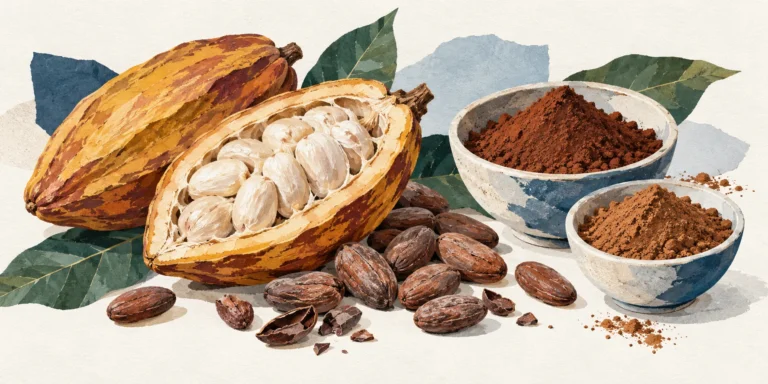
Cacao and cocoa come from the same plant, and the names overlap. For cooking, the useful distinction is the actual product: nibs or powder, and natural or alkalised cocoa.
Baking soda and bicarbonate of soda are two names for the same cooking ingredient: sodium bicarbonate. Baking powder is a different mixture, so that is not the same name-only swap.