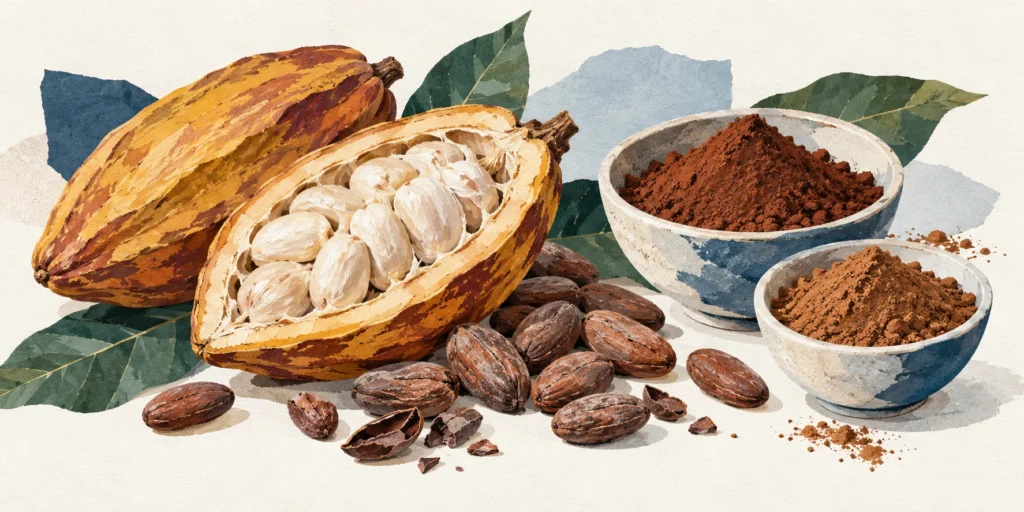
Cacao and cocoa come from the same plant, and the names overlap. For cooking, the useful distinction is the actual product: nibs or powder, and natural or alkalised cocoa.
Cacao and cocoa come from the same plant, and the names overlap. Cacao often points to the pod, beans or a maker’s preferred wording; cocoa is familiar in names such as cocoa powder and cocoa butter. The spelling alone does not tell you exactly how a product was processed. For baking, check its form and whether the powder is natural or alkalised. [1][2]
Nibs are pieces of the bean; cocoa butter is its fat. To make powder, much of that fat is pressed out and the remaining material is finely ground. A packet of cacao nibs and a tin of cocoa powder therefore differ in much more than their spelling. [1][2]
This matters when a recipe needs a powder to disperse through a mixture. A crunchy nib topping is a different task. Keep the complete ingredient name when writing a shopping list: “cacao” alone leaves out the part you need.
The processing difference that matters in a cake
Natural cocoa retains the bean’s acidity. Dutch-process cocoa has been alkalised to reduce acidity, which also changes its colour and flavour. Some recipes are developed for a particular type because the cocoa works alongside the raising ingredients. [2]
Do not turn that into a new shortcut that all cocoa must be Dutch-process. Natural cocoa is cocoa too. Equally, a cacao-labelled product needs its own processing information; the name is not a complete specification. [1][2]
A worked shopping-list example
Imagine a cake recipe specifying 50 g Dutch-process cocoa powder. You find a bag marked “cacao powder”, but its description says nothing about alkalisation. You have matched the powder form, but you have not yet established the required processing type. Check the detailed description or ask the maker before treating it as an equivalent.
Now imagine the bag instead says “cacao nibs”. That fails the earlier form check. Buying 50 g of nibs would preserve the weight while changing the ingredient. This is a label-reading example, not a tested substitution or a prediction of the cake’s result.
A four-step ingredient check
Name: cacao and cocoa can overlap.
Form: identify nibs, butter or powder.
Process: look for natural or alkalised/Dutch-process when the recipe specifies it.
Recipe: keep the required ingredient and unit; do not invent a new ratio.
Try the cupboard checks
My recipe needs cocoa powder; I have cacao nibs. Is the spelling the only difference?
No. Nibs are pieces, while powder is a finely ground, partly defatted ingredient. The form differs. [1][2]
A powder says natural cocoa. Does cocoa mean it must be alkalised?
No. Natural and alkalised cocoa are distinct processing descriptions within cocoa products. [2]
The front says cacao powder. Can I confirm a Dutch-process recipe match from that alone?
No. Find the processing description as well as the product form. Cacao alone leaves that question unanswered. [1][2]
Frequently asked questions
Are cacao and cocoa nibs necessarily different products?
No. Both wordings are used for nibs. Compare the actual maker’s description rather than assuming the spelling establishes a difference. [1]
Sources
Source pages checked on 26 October 2026. The examples and self-checks were written for this article with AI assistance and checked against the listed material.
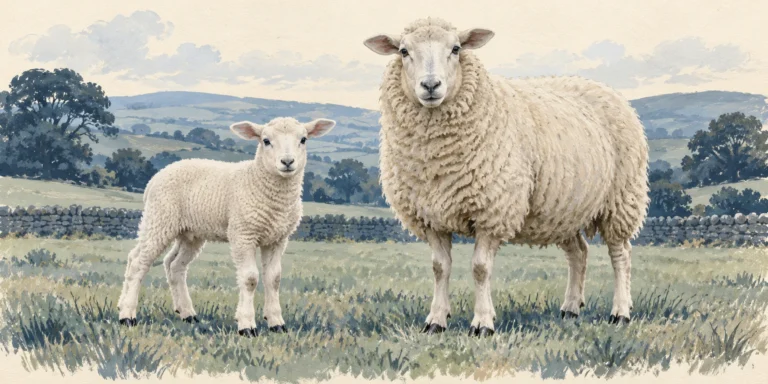
Lamb and mutton are sheep meat from different age groups. Mutton comes from older sheep and has a fuller flavour; the cut, provenance and cooking method matter alongside age.
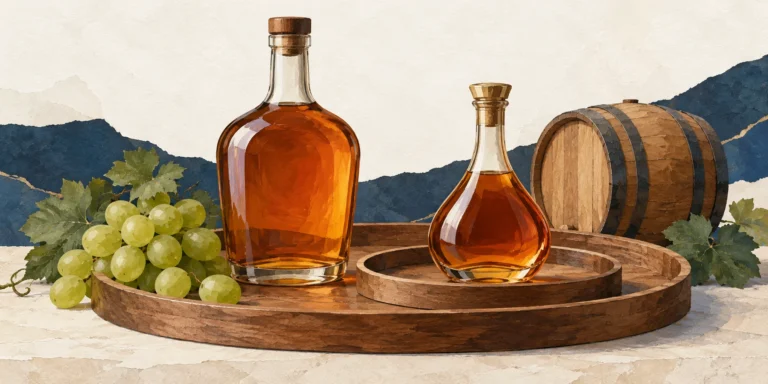
Cognac is a specific member of the broader brandy family, defined by its French origin and production requirements. The word brandy alone does not establish Cognac origin or age.
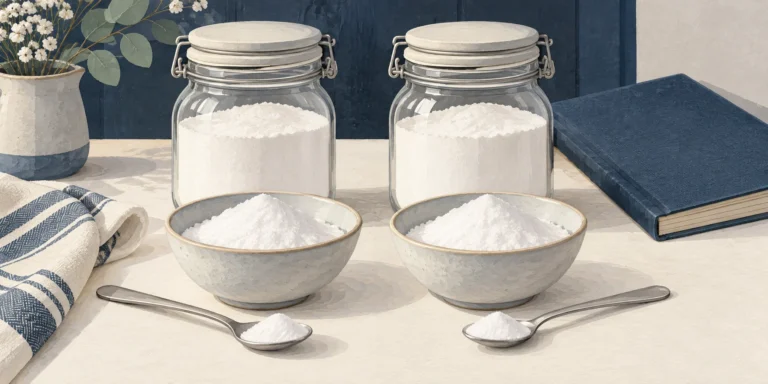
Baking soda and bicarbonate of soda are two names for the same cooking ingredient: sodium bicarbonate. Baking powder is a different mixture, so that is not the same name-only swap.